(Under Construction)
Mission & Statement
DeafBlind Training, Interpreting & Professional Development (DB-TIP) is dedicated to advancing inclusion and equity by providing high-quality, culturally responsive interpreting services and professional training.
We empower individuals, organizations, and communities to communicate effectively and build environments where Deaf and DeafBlind individuals can fully participate and thrive.
Our History
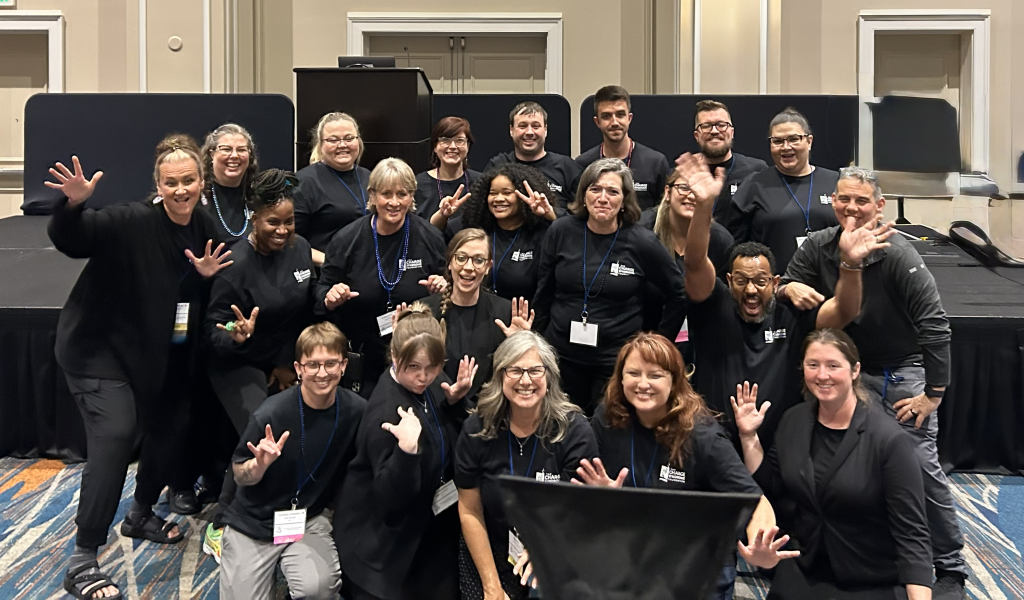
Since 2007, DeafBlind Training, Interpreting & Professional Development (DB-TIP) has proudly served Deaf and DeafBlind communities. While our primary base is New York City, we maintain a nationwide network spanning all regions of the United States, as well as international connections.
Our owner is a nationally certified sign language interpreter and educator, holding both the Certificate of Interpretation and Certificate of Transliteration since 1996. Our Business Manager is a respected leader within the DeafBlind community and an experienced professional trainer.
In 2016, DB-TIP made history by hosting the first-ever online international conference focused on DeafBlind content, featuring DeafBlind, Deaf, and hearing experts from across the field and attracting over 400 registrants. Following this milestone, DB-TIP developed and launched the first series of web-based training modules specifically designed to enhance sign language interpreters’ knowledge and skills in DeafBlind interpreting.
Since then, DB-TIP has coordinated services for events ranging from small gatherings to large-scale conferences across diverse sectors. We maintain multiple contracts with institutions of higher education, New York City departments, non-profit organizations, and more.
Continuously evolving, DB-TIP partners with many expert DeafBlind trainers to provide the highest quality, culturally responsive services to the communities we serve.
Meet our team
DB-TIP consists of a team of three staff with over 85 combined years of experience in the Deaf/DeafBlind communities. As an LGBTQIA+ owned business with a Business Manager who is a leader in the DeafBlind community, DB-TIP, Inc. prides itself on the importance of lived experience as it informs the quality and accuracy of the work provided. DB-TIP aims to recruit and assign interpreters who are not only the best qualified but who are also the best fit for every assignment.
Susanne Morgan Morrow, MA, CI, CT
(she/her/hers)
Owner, Hearing-Sighted, LGBTQIA+
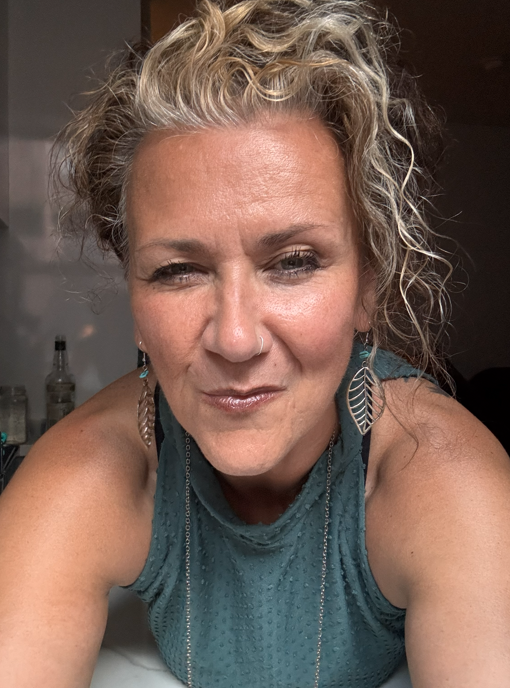
Susie is a nationally certified Sign Language Interpreter, interpreter educator, adjunct instructor, project director, and DeafBlind specialist. She has more than thirty years of experience providing interpreting services across a broad range of settings, including high-profile environments, rigorous academic institutions, large-scale professional conferences, and performing arts venues.
She has designed and implemented numerous professional development modules for sign language interpreters and educators specializing in DeafBlind education. In addition, she possesses extensive expertise in coordinating interpreting and Co-Navigation services for events of varying scale and complexity.
Susie serves as a national trainer on topics related to communication access, the education of children who are DeafBlind, and best practices in interpreting.
Jamie Pope, MS
(she/her/hers)
Business Manager, DeafBlind
Jamie is the former executive director of American Association of the Deaf-Blind (AADB), a national consumer advocacy organization of, for, and by DeafBlind people. She served in this capacity for eight years, increasing the visibility of AADB and the national DeafBlind community with federal government agencies and Congress. Before AADB, she worked as Technical Assistance Specialist with the National Technical Assistance Consortium on Children and Youth who are Deaf-Blind (now called the National Consortium on DeafBlindness). She is a savvy consumer of interpreting services which led her to be a critical force in establishing the National Task Force on Deaf-Blind Interpreting (NTFDBI). Her professional accomplishments are many, which include honored guest speaker, trainer, facilitator, instructor, and author. She holds a Master degree in Social Work from the Catholic University of America in Washington, DC. She became DeafBlind during early childhood due to illness.
Desiree Mistretta, AA
(she/her/hers)
Billing Manager, LGBTQIA+
Desiree (Des) has a varied background, which includes skills in carpentry, painting, catering, on-site logistics managing, and is a champion boxer. Des’ varied skill set brings her to the billing side DB-TIP. She handles all of the incoming and outgoing invoices and payments to contractors through DB-TIP, Inc.’s unique and confidential online portal.
Values & Approach
At DB-TIP, our work is guided by the following core values:
Inclusion: We create spaces where DeafBlind and Deaf individuals are recognized, respected, and fully included.
Equity: We promote fair and accessible opportunities for all through intentional, informed practices.
Quality: We uphold the highest standards in interpreting, training, and professional development to ensure excellence in every interaction.
Cultural Responsiveness: We honor the diverse experiences, languages, and identities within the communities we serve.
Collaboration: We believe that meaningful change happens through partnership, shared learning, and collective impact.
Why Choose DB-TIP
At DB-TIP, our small but dedicated team brings a unique blend of lived experience and professional expertise—as both consumers and providers of interpreting and communication services. With decades of combined experience, we have a deep understanding of the diverse needs of Deaf, DeafBlind, and Hard of Hearing individuals.
From one-on-one consultations to coordinating large-scale conferences, our hands-on approach ensures seamless, culturally responsive, and high-quality service delivery. We pride ourselves on personalized coordination, attention to detail, and a commitment to equity and inclusion, making DB-TIP a trusted partner for individuals and organizations seeking effective communication access.
FAQs
How do I request sign language interpreting services?
You can submit your request through our online portal. A checklist, called the Interpreting and Communication Needs Checklist, is provided to assist you in gathering the information you will need to complete the request. Please include event details such as date, time, location, and type of event so we can match the appropriate interpreters to your needs.
How far in advance should I make a request?
We recommend submitting your request as soon as possible. The more advance notice you provide, the better we can ensure that interpreters with the appropriate skills and experience are available for your specific event. Advance scheduling allows for optimal coordination, especially for complex, multi-day, or high-profile events.
What information will I need to provide when submitting a request?
You will be asked to provide key event details, including:
- Date(s), time(s), and location of the event
- Type of event (e.g., meeting, conference, training, or performance)
- Whether the event is in-person or virtual
- Number of Deaf, DeafBlind, or Hard of Hearing participants
- Communication preferences (e.g., Visual ASL, Tactile ASL, or Protactile Language)
- Any additional access needs (e.g., CART, assistive listening devices, or Co-Navigator)
Visual ASL refers to communication in standard American Sign Language for sighted individuals.
Tactile ASL is a form of ASL used by DeafBlind individuals through touch.
Protactile Language is a distinct language developed by and for the DeafBlind community. It uses touch-based communication to convey linguistic, spatial, and environmental information directly through physical contact, allowing for full and autonomous participation in shared environments.
Co-Navigators are trained professionals who provide human guide and environmental information to DeafBlind individuals. Their role includes offering safe mobility assistance, visual and environmental description, and support for physical orientation. Co-Navigators do not interpret language but facilitate access to spaces and experiences through tactile and situational guidance.
How do I know the specific needs of DeafBlind consumers?
It’s important to communicate directly with the DeafBlind participant(s) whenever possible. Each person’s access needs are unique, depending on their communication preferences, residual vision or hearing, and familiarity with interpreters or Co-Navigators. If you are unsure, our coordination team can assist in determining the most effective communication and support services for each individual
What happens after I submit my request?
Once your request is received, our coordination team will review the details and contact you if additional information is needed. We will then schedule qualified interpreters or Co-Navigators and confirm the arrangements. You’ll receive a confirmation email outlining the assigned professionals and any additional coordination details.
What if my event details change after I submit the request?
If event details change (such as time, location, or number of participants), please notify us as soon as possible. Adjustments may affect interpreter or Co-Navigator availability, and prompt updates help ensure uninterrupted access services.
Are there additional services available for DeafBlind participants?
Yes. In addition to interpreters, we can coordinate Co-Navigators (CNs) or Support Service Providers (SSPs), as well as tactile or protactile communication access as needed.
Co-Navigators are trained professionals who provide human guide and environmental information to DeafBlind individuals, supporting safe and effective mobility, spatial orientation, and access to visual and environmental cues. Unlike interpreters, Co-Navigators do not interpret language; their role focuses on tactile communication support, physical guidance, and visual description to promote full participation and autonomy.
Are interpreting and Co-Navigation services provided for free?
No. Unfortunately, there are currently no governmental resources that provide free access. Service costs depend on the duration, type, and complexity of the assignment. Please contact us for rate information or to discuss available funding options.
Where can I find resources on the Deaf or DeafBlind communities?
There are many excellent organizations and online resources dedicated to promoting accessibility, cultural understanding, and education within the Deaf and DeafBlind communities. Examples include:
- The National Association of the Deaf (NAD) – www.nad.org
- The Registry of Interpreters for the Deaf (RID) – www.rid.org
- The Helen Keller National Center (HKNC) – www.helenkeller.org/hknc
- The DeafBlind Interpreting National Training and Resource Center (DBI-NTRC) – www.dbinterpreting.org
- State Deafblind Projects – www.nationaldb.org
- State and local Deaf or DeafBlind advocacy organizations
Our coordination team can also provide additional referrals or guidance to help connect you with local and national resources.
“We had a last-minute event scheduled at the FIT Amphitheatre in NYC that we wanted to ensure was accessible, and DB-TIP responded without hesitation. They quickly secured an excellent interpreter who arrived on time, was highly professional, and seamlessly supported both the presenters and the AV team by clearly explaining his role and how best to capture his interpreting on stage. Despite much of the program being unscripted and Q&A-based, the interpreting was handled beautifully. DB-TIP made the process easy and ensured the event was truly accessible.”
Jennifer Hercman
Executive Director
Adaptive Design Association, Inc.